Lantern
Lantern
  • Home
  • Marketing Agencies
  • Solutions
  • Blogs
  • Pricing
LoginGet Started FreeLoginGet Started Free
Lantern
  • Resources
  • Blog
  • Documentation
  • Free Tools
  • Solutions
  • Marketing Teams
  • Agencies
  • Legal
  • Privacy Policy
  • Terms of Service
  • Security

The Zero Click Journey

Zero-click searches happen when people get their answers on Google (or ChatGPT, or Perplexity) without ever visiting your website. About 60% of searches now end this way.

zero clicjk

By Collins • November 20, 2025

Zero-Click Searches: Why Nobody's Clicking Your Website Anymore

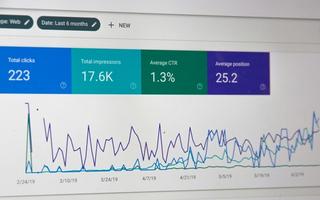
You just spent hours writing the perfect article about "How to Make Pizza Dough." You optimized every keyword. Your post is informative. Yet, when you check your analytics, the traffic isn't there. Your rank might be perfect, but the visitors aren't coming.

Know why? Zero-click searches.

This is one of the biggest changes happening on the internet right now, and if you're not paying attention, your website traffic could quietly disappear. Let's break down what zero-click searches actually are, why they're happening, and what it means for your business.

What Is Zero-Click Search? (

Imagine you type a question into Google. Instead of clicking on any website to get your answer, Google shows you the answer right there on the search results page. You get what you need without ever visiting a website. That's a zero-click search.

Zero-click = you get your answer on Google without clicking anything.
Think of it this way: You used to go to restaurants by looking them up on a website. Now, you just search "pizza near me" on Google, and it shows you the location, hours, phone number, and reviews—all right on Google. You don't need to visit the restaurant's website. That's zero-click.

How Big Is This Problem?

Here's where it gets real. The stats are kind of wild:

Nearly 60% of all Google searches end without anyone clicking on anything.​

Let's think about what that means:

  • If 1,000 people search on Google, only 360-374 of them click through to visit a website.​
  • The other 600+ people? They find their answer on Google and never visit a website at all.​
  • On mobile phones, it's even worse—77% of searches on mobile don't result in any clicks​
  • 58.5% of U.S. searches ended with zero clicks in 2024
  • 59.7% of EU searches ended with zero clicks in 2024
  • In March 2025, it jumped to 27.2% of searches being pure zero-click (meaning no one even did a second search)
  • Some studies show that with AI Overviews present, zero-click rates can reach 80%​

To put this in perspective: If your website used to get 100 visitors a day from organic search, you might now be getting 40 or fewer.​

Where Do Zero-Click Searches Show Up? (These Are the Features Stealing Your Clicks)

Zero-click answers appear in several different formats on Google. Let's look at each one:

1. AI Overviews

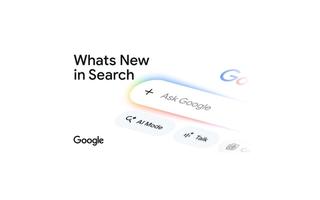
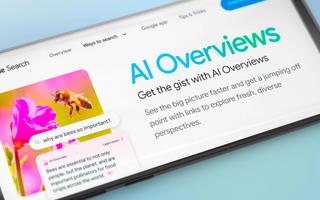
Google's newest feature is called AI Overviews (also called AI Mode or AIO). This is where AI-generated summaries appear at the top of search results, synthesizing information from multiple websites​

Example: Search "best budget cameras for beginners"

What you see: Instead of just a list of links, Google shows you an AI-written summary that explains: what budget cameras are good, why they're good, pricing ranges, and recommendations—pulling information from multiple websites. You get a complete answer without clicking anywhere.

This is the newest and most impactful zero-click feature. When AI Overviews show up, click-through rates drop by 34.5%.​

What's Driving Zero-Click?

Google didn't accidentally create zero-click searches. This is intentional. Here's why Google is doing this:​

1. Google Wants to Keep Users on Google

Google's business is built on advertising. The longer users stay on Google, the more ads they see, and the more money Google makes. If users have to click to other websites and spend time there, they're not seeing Google ads. Zero-click keeps people on Google longer.​
2. Users Love the Instant Answer

People don't want to visit five different websites to answer a simple question. They want the answer now. Zero-click gives people what they want instantly. Users are happy, so Google keeps expanding it.​

3. Mobile Search Demands Quick Answers

On a phone, clicking and waiting for pages to load is slow and annoying. People want answers fast. Google's zero-click features are perfect for mobile.​

4. AI Technology Made It Possible

Advanced AI and machine learning let Google create summaries and extract information faster and better than ever before. This technology didn't exist a few years ago.​

The ChatGPT Factor: It's Getting Worse

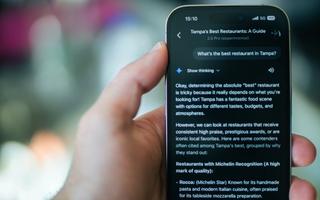
You definately have used ChatGPT? It's making zero-click even more extreme.​

ChatGPT references websites but doesn't send much traffic to them. Recent data shows that even when your website is mentioned in ChatGPT, only 0.69% of people actually click on it. For most pages, it's 0.01% or even 0% click-through rate.​

So now we have:

  • Google providing zero-click answers
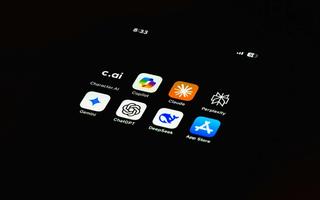
  • ChatGPT providing zero-click answers
  • Perplexity providing zero-click answers
  • And multiple other AI search tools doing the same​

This is creating what some call the "age of zero-click AI search", and it's way bigger than just Google.​

Should You Panic?

Here's the honest truth: Yes, this is a real problem. No, you shouldn't panic.

The zero-click trend is real, the traffic loss is real, but there are people successfully adapting and even thriving. It's not about the end of websites or the death of organic search. It's about changing strategy.​

Think of it like this: 50 years ago, if you owned a local restaurant, you relied on people driving by or word-of-mouth. Then newspapers came with ads, and you used those. Then the internet came, and you built a website. Then Google Maps came, and visibility on Google Maps mattered more than your website.

The channel changes. The strategy changes. Your business doesn't die it evolves.

The same is happening now.

How Can You Still Win?

While this blog focuses on explaining what zero-click is, here's a quick preview: The winners in a zero-click world are the ones who:

  1. Get featured in the zero-click results themselves (appear in the featured snippet, AI Overviews, or knowledge panel)
  2. Build brand authority so they're the source AI systems prefer to cite
  3. Create content specifically structured to be used by AI systems
  4. Accept that visibility in search results matters more than raw clicks (but fewer, higher-quality clicks are possible)

This is why semantic chunking, structured data, and AI optimization are becoming so important—topics from our previous blog post on semantic chunking.

The Bottom Line

Zero-click searches happen when people get their answers on Google (or ChatGPT, or Perplexity) without ever visiting your website. About 60% of searches now end this way. This has caused measurable traffic drops for many websites, especially in news, publishing, and informational content.​

The features driving this are:

  • Featured snippets
  • Knowledge panels
  • People Also Ask boxes
  • AI Overviews
  • ChatGPT and other AI search tools

It's a real shift, but it's not the end of the internet or websites. It's just a different game, and smart content creators and businesses are already learning how to win in this new landscape.

The question isn't "Should I give up?" The question is "How do I adapt?"