What Is AI Search Visibility?
AI search visibility is the measure of how often and how well your brand appears in responses created by AI. These responses can be chat answers, summaries, or lists of trusted sources.
 Collins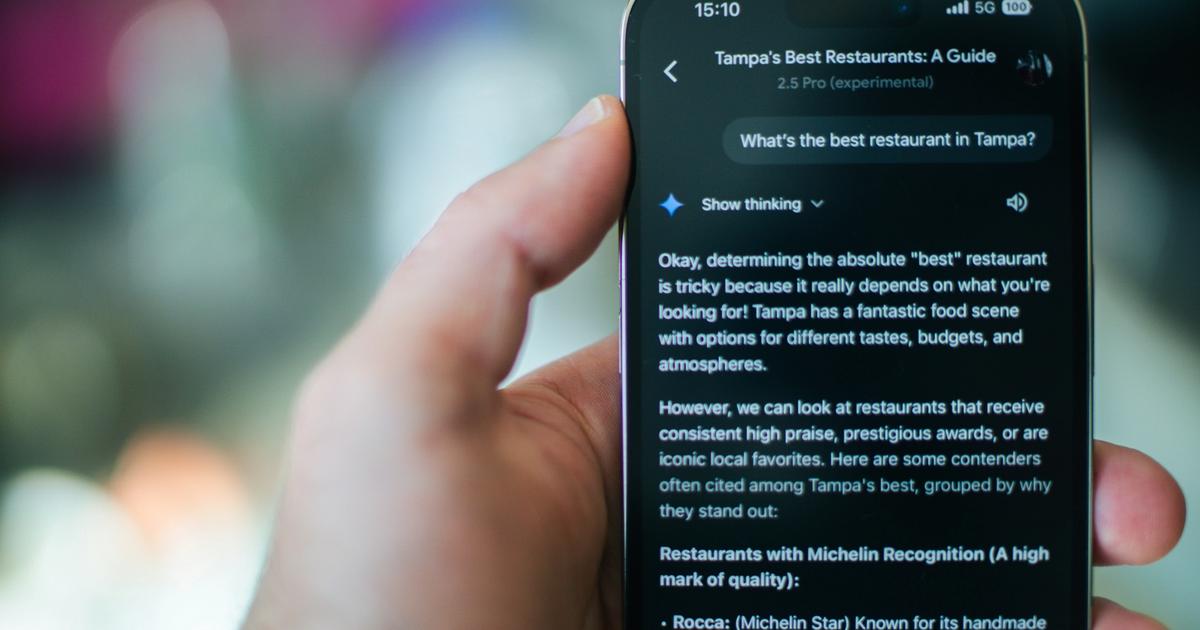
What is AI Search Visibility? Data-Backed Guide for Marketers, SEOs, and Brands
AI search visibility is how easily your brand gets discovered, mentioned, and recommended in answers by artificial intelligence search engines, chatbots, and assistants like ChatGPT, Claude, Perplexity, Gemini, and Google AI Overviews. Unlike traditional search, where users see a long list of links, AI-driven search often gives direct answers and personalized recommendations. If your brand shows up in these answers, that's real AI visibility—and it’s changing the rules of online marketing, SEO, and analytics.
Why AI Search Visibility Matters Now
Most businesses haven’t started tracking AI mentions or optimizing for them yet, creating a huge first-mover advantage. Data from Ahrefs’ Brand Radar shows brands like Tesla dominated “AI Share of Voice,” but competitors like BYD are catching up fast as the industry shifts.
Key changes:
- You may get fewer visitors, but they’re more likely to buy. AI answers filter out casual browsers. Click-through visitors from AI have usually researched and are closer to making decisions.
- Attribution is getting trickier. Many brand mentions and recommendations from AI don’t appear in web analytics. Customers may hear about you via AI, but you won’t see all these referrals.
- AI gives personalized recommendations. Instead of generic lists, AI answers can show your brand above all alternatives—sometimes showing only one recommendation at a time.
How AI Search Changes Customer Behavior
Instead of just listing links, AI search provides direct, tailored answers. This leads to:
- Conversational queries and follow-ups. Users ask customized questions and can request deeper comparisons—for example, “Compare the best marketing tools for startups under $5000,” or “Which one works best with social media?”
- Fewer total visits, higher-quality traffic. Studies show the click rate drops by ~34.5% when Google’s AI Overviews are active. However, visitors referred by AI often stay longer and are more likely to buy.
A recent study revealed that Google’s AI Overviews now show for 9.46% of all desktop keywords in May 2025, jumping to 16% in the US. These Overviews predominantly cite pages that already rank in the top 10 of search results—76% of citations come from the top results.
Key AI Platforms for Search Visibility
- ChatGPT: Drives about 0.21% of all website traffic and is the largest AI-driven referral source.
- Perplexity: Growing quickly, now at 0.02% of overall traffic share.
- Google AI Overviews (AIOs): Rapidly increasing in use—significantly impacting how many people see your brand vs. click through.
Together, these platforms account for nearly all AI-driven traffic right now. Their impact on brand awareness and buying decisions is growing every month.
Data-Driven Tactics to Build AI Visibility
1. Optimize for GEO (Generative Engine Optimization)
Generative Engine Optimization means earning AI mentions, brand recommendations, and citations—not just rankings.
- Focus on PR and media coverage. External validation and third-party mentions matter more than self-promoted content.
- Create authoritative, evergreen assets. Update high-citation content types frequently: product pages, how-to guides, “best” lists, vs. comparisons, data studies, and research reports.
- Stay fresh: AI assistants prefer citing newer content. A 2025 study showed that fresher content gets the majority of citations from leading AI platforms.
2. Use Structured Formatting for AI Readability
- Use hierarchical headings (H1, H2, H3), clear sections, and bullet points.
- Write in direct, simple language—answer common questions explicitly.
- Include specific facts and figures for AI to cite confidently.
3. Syndicate Content Where AI Sources Information
- YouTube is now the second most-cited domain in AI answers, with 3.7 billion organic visits per month.
- Reddit appears in 77% of product review searches, ranking third for AI mentions.
- Post and participate where your audience and AI platforms meet: authoritative forums, review sites, and video platforms.
4. Track Your AI Mentions and Citation Gaps
- Use tools like Lantern to automatically check where your brand is mentioned across platforms.
- Analyze “AI mention gaps” (where competitors are mentioned but you’re not) and “AI citation gaps” (where competitors get their content cited, but yours isn’t).
- Find and fill these gaps with improved content, outreach, and more structured data.
How to Get Started Right Now
- Track your existing AI mentions. Tools like Lantern let you do this for free.
- Make sure your main pages (homepage, product, guides, reviews) are formatted clearly, structured for AI, and cited by reputable third-party sources.
- Update your best-performing content with new facts and figures—freshness impacts AI recommendations.
- Seek PR coverage, reviews, and “top tool” list inclusions on trusted platforms like YouTube, Reddit, and key industry sites.
- Do not block AI bots in your robots.txt.
AI search visibility is about getting found, recommended, and trusted by the world’s smartest search engines and assistants. It relies on fresh, authoritative content, third-party validation, and strategic formatting. Tracking, updating, and promoting your brand for AI platforms will create huge advantages as these platforms mature—giving you new customers, more trust, and better authority online.